ESP32-C6 Pre-Soldered XIAO Seeed Development Board with USB-C Cable for Arduino & MicroPython
ESP32-C6 Pre-Soldered XIAO Seeed Development Board with USB-C Cable for Arduino & MicroPython
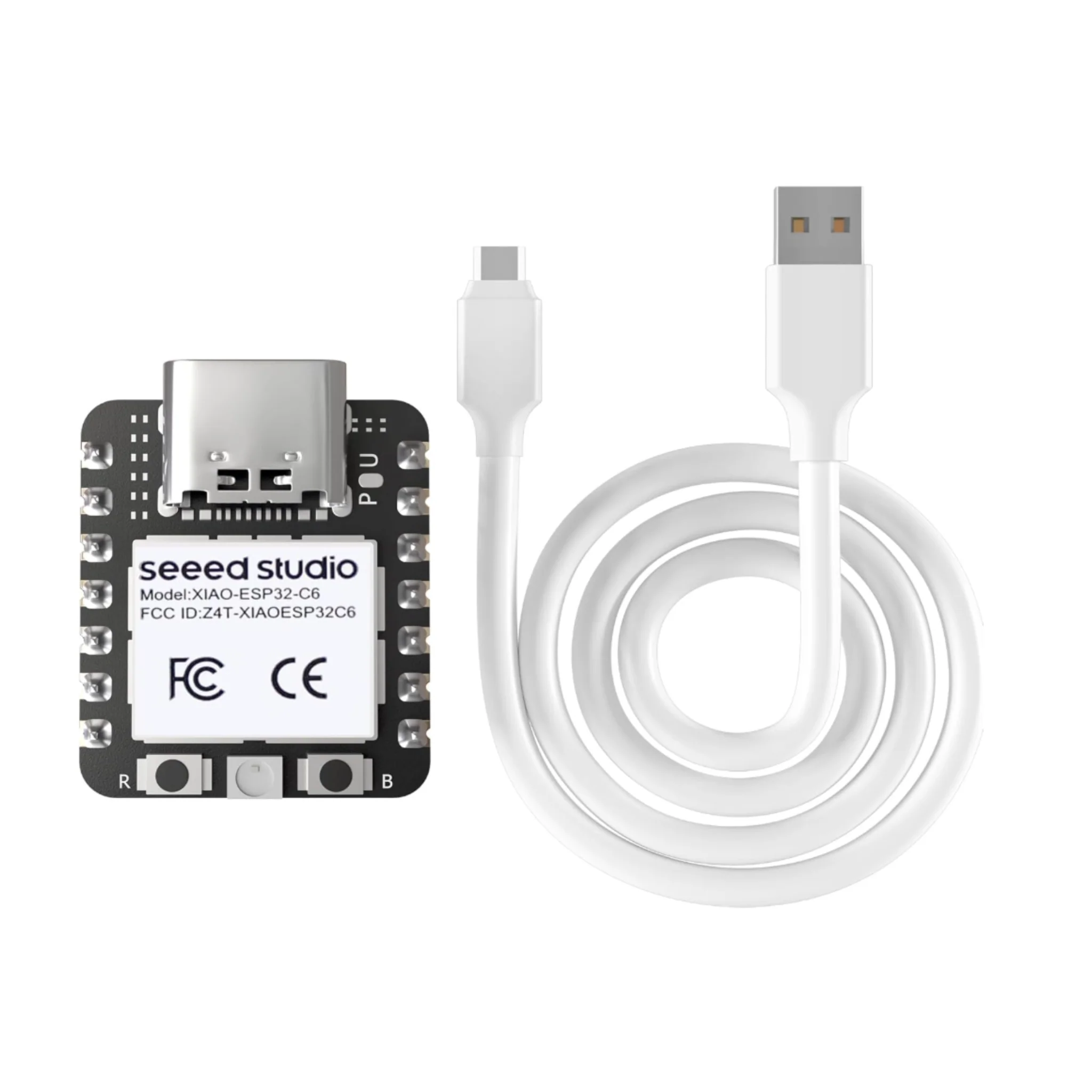
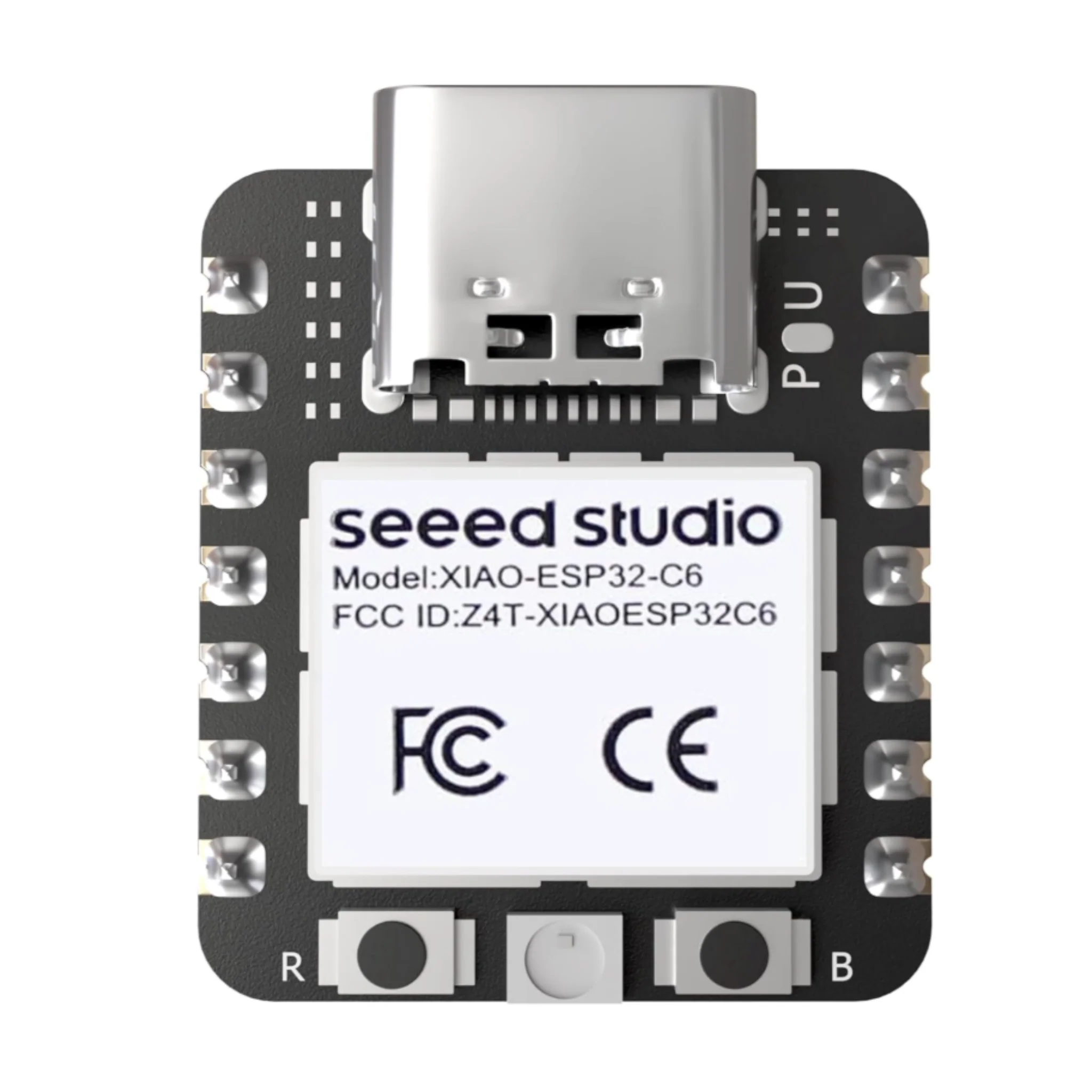
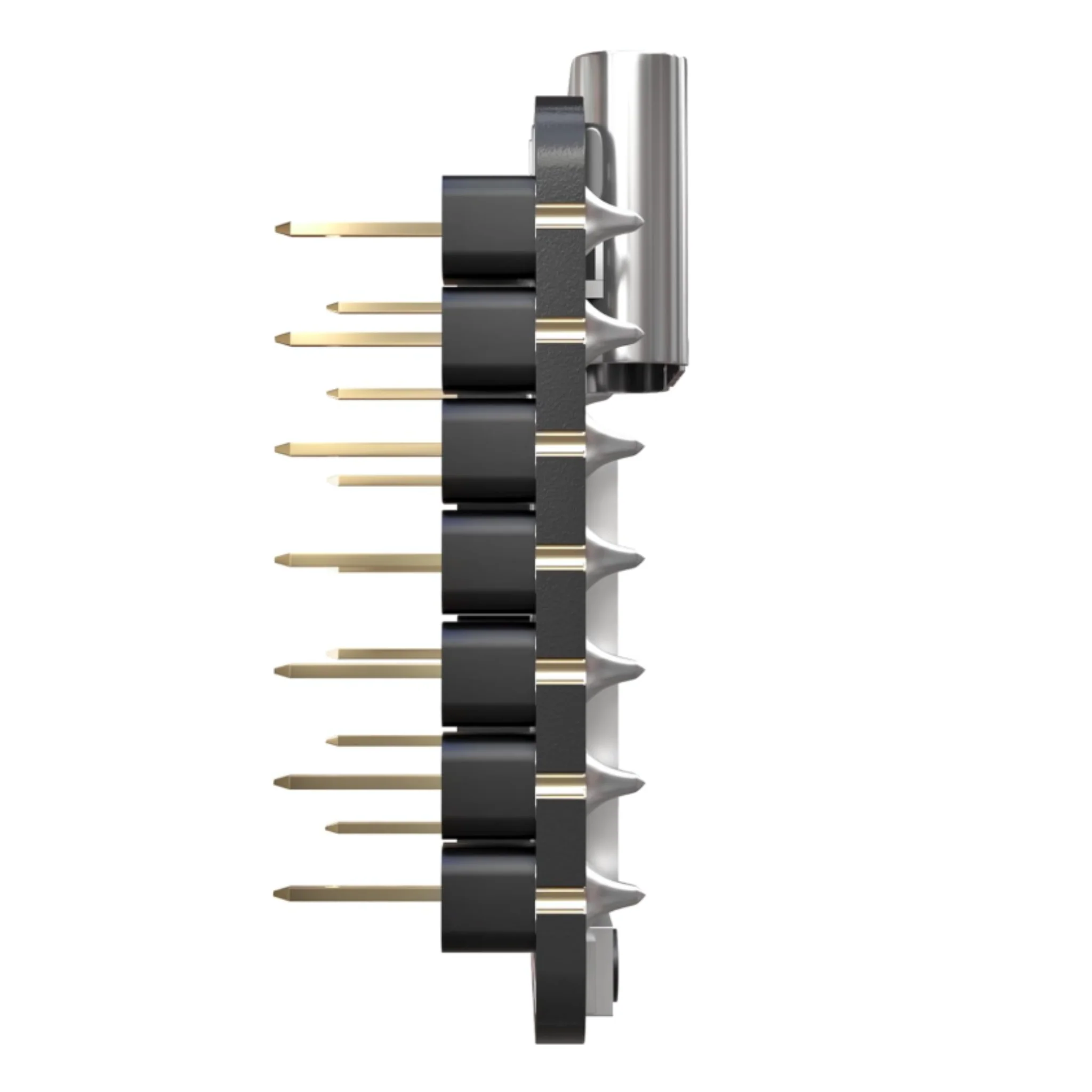
The pre-soldered XIAO Seeed ESP32-C6 development board is ready to plug in and start your projects, and its tiny footprint (21.5 × 17.5 mm) makes it ideal for space-constrained designs. Equipped with a 160 MHz 32-bit RISC-V single-core processor, it delivers capable processing for a wide range of DIY and IoT applications while maintaining low power consumption suited to battery-powered use. The board supports common communication protocols such as UART, SPI, I2C and PWM, and is easy to program from the Arduino IDE or with C++, Python and MicroPython, enabling fast prototyping and straightforward integration into portable sensors, wearables, and other compact projects.
More Images
ESP32-C6 Pre-Soldered XIAO Seeed Development Board with USB-C Cable for Arduino & MicroPython
The pre-soldered XIAO Seeed ESP32-C6 development board is ready to plug in and start your projects, and its tiny footprint (21.5 × 17.5 mm) makes it ideal for space-constrained designs. Equipped with a 160 MHz 32-bit RISC-V single-core processor, it delivers capable processing for a wide range of DIY and IoT applications while maintaining low power consumption suited to battery-powered use. The board supports common communication protocols such as UART, SPI, I2C and PWM, and is easy to program from the Arduino IDE or with C++, Python and MicroPython, enabling fast prototyping and straightforward integration into portable sensors, wearables, and other compact projects.
Product Information
Product Information
Shipping & Returns
Shipping & Returns
Description
The pre-soldered XIAO Seeed ESP32-C6 development board is ready to plug in and start your projects, and its tiny footprint (21.5 × 17.5 mm) makes it ideal for space-constrained designs. Equipped with a 160 MHz 32-bit RISC-V single-core processor, it delivers capable processing for a wide range of DIY and IoT applications while maintaining low power consumption suited to battery-powered use. The board supports common communication protocols such as UART, SPI, I2C and PWM, and is easy to program from the Arduino IDE or with C++, Python and MicroPython, enabling fast prototyping and straightforward integration into portable sensors, wearables, and other compact projects.